
Steep Slope Roofing Checks Before Winter in Delaware
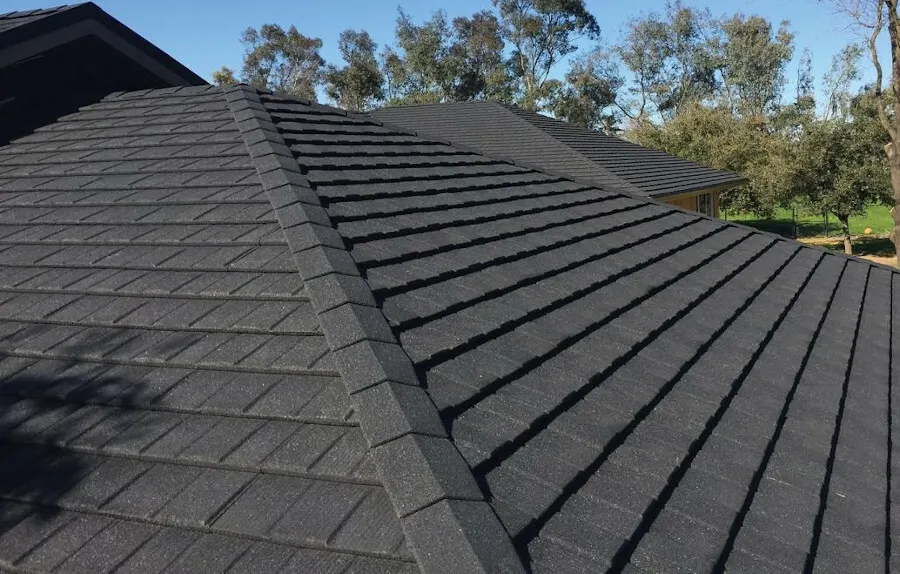
If you have a steep slope roof in Delaware, book a professional check in October or early November, before winter weather makes access and repair timing harder to predict. A steep slope roof is a pitched roof covered in shingles, tile or metal panels, as opposed to a flat or low-slope roof. For homeowners in Middletown and the surrounding area, a pre-winter look from a roofing contractor is the simplest way to catch small problems before snow and freeze-thaw cycles find them.
When to check a steep slope roof
October and early November are the sweet spot. Leaves are coming down, the days are still workable, and most repairs that need dry surfaces and mild temperatures can still be scheduled. Wait until December and you may be waiting on a weather window that does not show up for days or weeks.
The right repair window depends on the roof itself. A few lifted shingles can often be fixed in a short visit on a dry day. Flashing work, decking repairs or a larger section of damaged roofing take longer and need more reliable weather. Shingle products also seal best when it is not too cold, which is one more reason to move earlier rather than later.
Steep roofs add one more consideration. They are harder to walk and harder to inspect from the ground, so a homeowner with binoculars will only see part of the picture. Wet leaves, frost and early morning dew make the surface slick, which is why a planned visit on a dry day beats a rushed one after the first cold snap.
Roof details worth checking
You can do a first pass from the ground, or from a window if you can see the roof safely. Do not climb a steep roof yourself. Here is what to look for:
- Loose, curling or missing shingles. Bare patches and lifted edges let wind and water get underneath.
- Damaged flashing. Flashing is the metal used to seal roof joints and edges, such as around chimneys, vents, skylights and where two roof planes meet. Bent, rusted or pulled-away flashing is a common leak source.
- Granules in the gutters. A lot of shingle grit collecting at downspouts can point to an aging surface.
- Sagging or uneven lines. Dips along the ridge or between rafters can suggest a deeper structural or moisture problem.
- Stains on ceilings or walls inside. Look in the attic too, if you can reach it safely, for dark patches on the underside of the decking.
Why inside stains do not point to the exact leak
Tell your roofer about any leaks or water stains, even faint ones. Water often travels along rafters or decking before it drips through, so the stain on your ceiling may sit well away from the actual entry point. A roofer who knows where the stain showed up can trace it back instead of guessing.
Focused repair or broader work
Ask directly whether the problem calls for a focused repair or broader roofing work. A single failed flashing joint is a different job from widespread shingle wear. A good answer explains what is causing the problem, not just what to replace.
| What you see | What it may point to |
|---|---|
| A few lifted or missing shingles | Often a focused repair, depending on the age of the surrounding roof |
| Water stain near a chimney or vent | Flashing or sealant failure around the penetration |
| Stains in several rooms | Possible wider issue with the roof surface or underlayment |
| Overflowing gutters during rain | Clogged or poorly pitched gutters sending water where it should not go |
How Delaware winter weather affects timing
Delaware winters can bring snow, ice and freeze-thaw cycles, usually from December into February, with cold snaps possible earlier and later. Water that gets into a small gap in the daytime can freeze overnight and widen it. That is why a minor flashing or shingle issue in November can become a bigger repair by late winter.
Weather also controls the schedule. Crews generally need dry roof surfaces, and snow or ice on a steep pitch can push work back until conditions improve. The roof condition decides how urgent the work is, and the forecast decides when it can happen. You want both on your side.
Keep roof drainage in view too. Gutters that carry water away from the roofline and the foundation keep ice and standing water from building up at the edges. If your gutters are sagging, packed with leaves or pulling away from the fascia, a gutter repair or installation visit fits naturally alongside a roof check. These conditions apply across Middletown, Bear and Newark, but the right work still depends on the individual roof: its age, its material, how much shade or wind it gets and how it was built.
What to do before booking roof work
A little preparation makes the visit more useful and the quote easier to compare.
- Write down what you have seen. Note where you spotted leaks, missing shingles or other changes, and roughly when you noticed them. Dates and rooms help.
- Take notes after the next rain. If a stain grows or a drip starts, record which storm and which wind direction, if you can tell.
- Ask for the cause, the scope and the timing. The roofer should explain what is failing, what the repair covers and what weather the work depends on.
- Schedule before winter limits the work window. Early fall gives you room to choose a time instead of taking whatever opening appears.
If you live in Bear, Newark or Middletown, you can read more about our work on the Bear, Newark and Middletown pages. We also serve nearby areas such as Wilmington, New Castle and North East, MD.
To have your steep slope roof looked over before winter, ask us for a Free Estimate and we will talk through the cause, the scope and the timing with you.
Common questions
When should I have my roof inspected before winter in Delaware?
October or early November is a practical target. That gives you time to schedule repairs while the weather is still mild and dry enough for roofing work.
Can a roof leak show up far from where water enters?
Yes. Water can run along rafters or decking before it drips through a ceiling, so the stain may be some distance from the actual entry point. Describing where and when you saw it helps the roofer trace it.
Do gutters matter when checking a steep slope roof?
They do. Gutters that are clogged or pulling away can hold water at the roof edge, so it makes sense to look at roof drainage at the same visit.
Areas we serve
Our services
Have a question about your project? Call (302) 363-1188